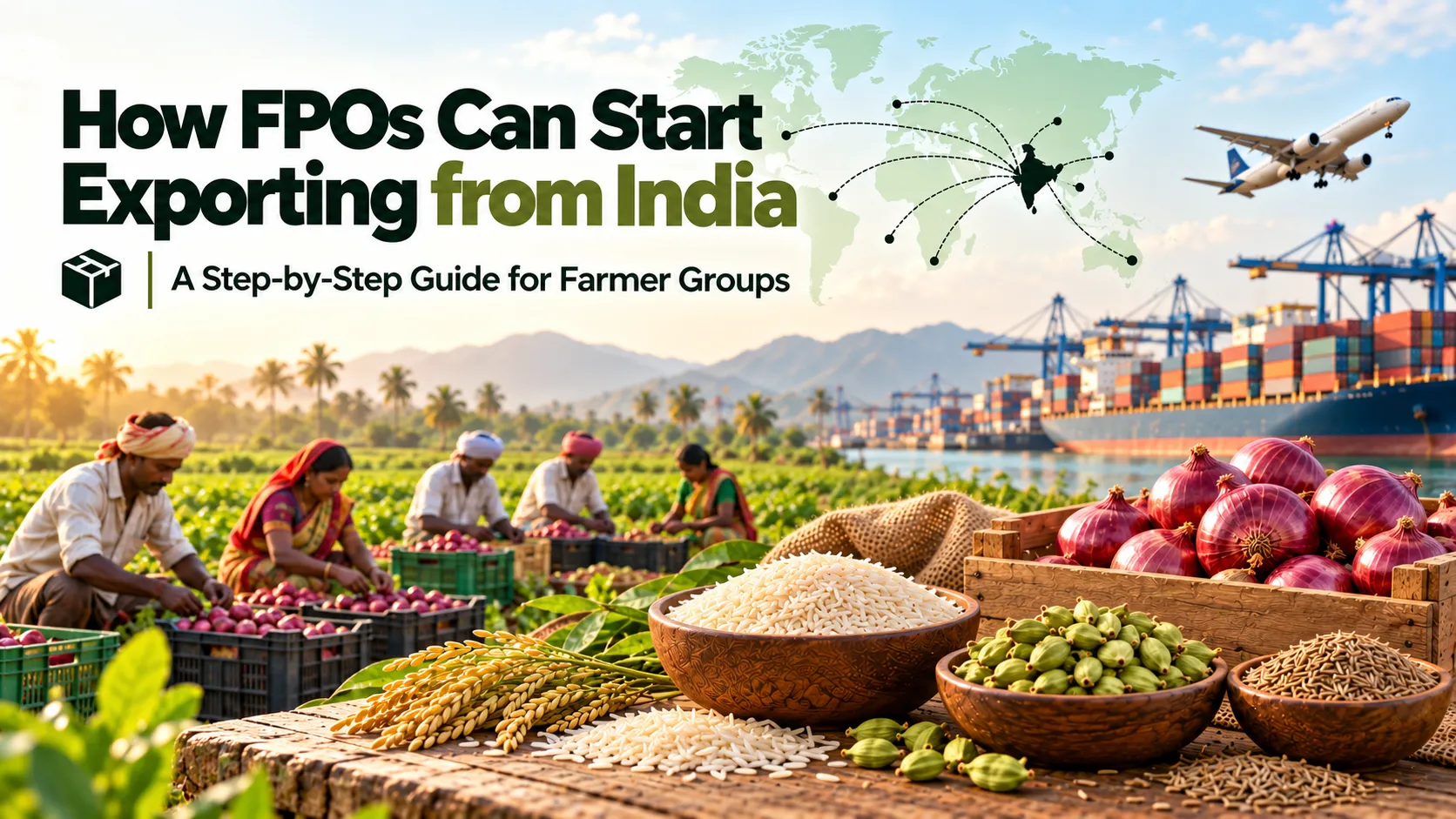
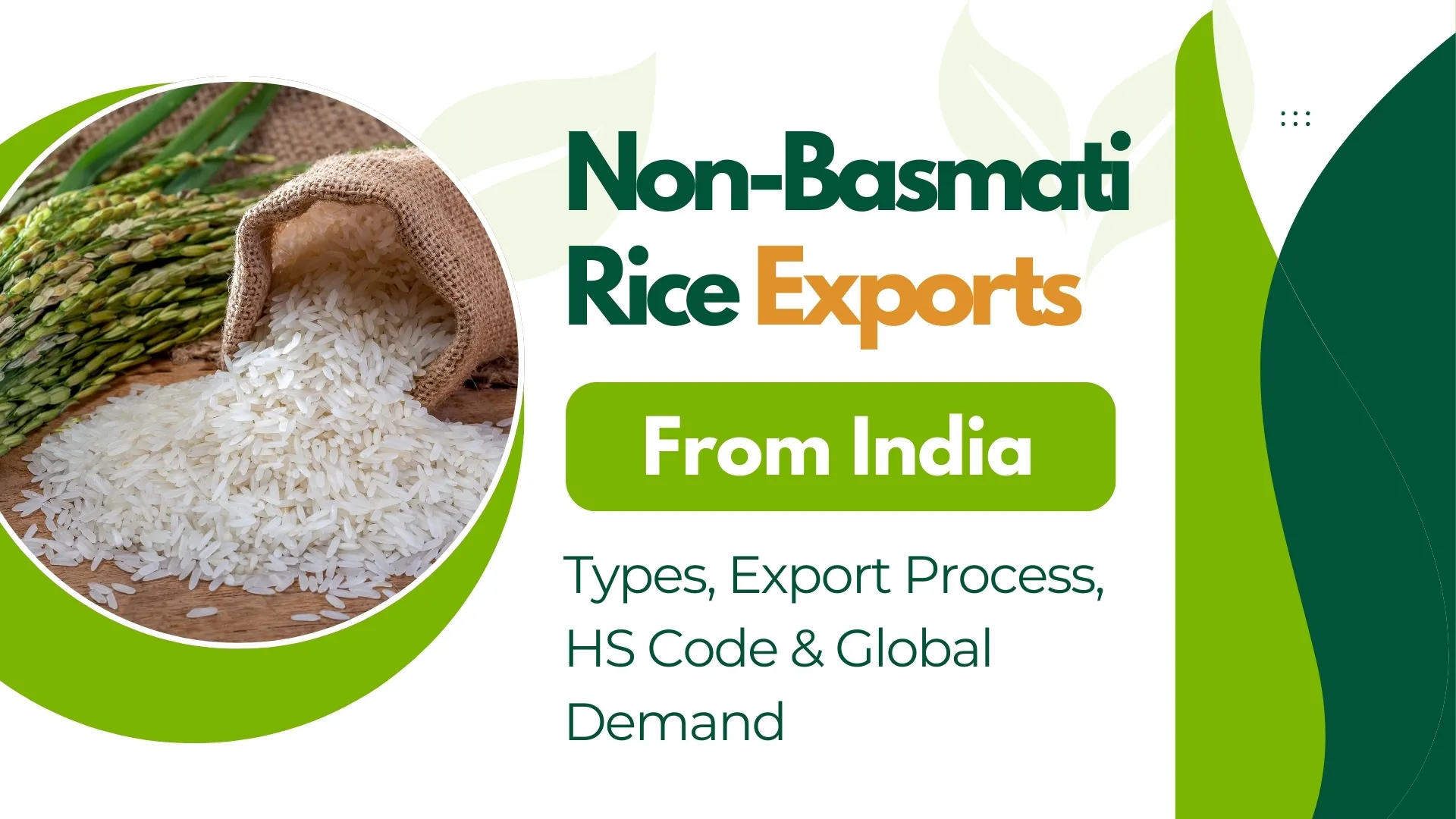
India is the world’s largest exporter of rice, supplying staple food to some of the most food-dependent countries globally. While basmati rice dominates premium segments, non basmati rice accounts for the majority of India’s rice export volume and drives everyday food security markets.
From an exporter’s perspective, non basmati rice exports shipments are led by demand for affordable pricing, consistent quality, and uninterrupted supply, particularly across Africa, Asia, the Middle East, and select European markets
India’s Position in the Global Rice Export Market for Non Basmati Rice Exports
India is the biggest rice exporter in the world, supplying more rice than Thailand, Vietnam, Pakistan, and the United States combined. This leadership in rice export from India is built on scale, consistency, and the ability to serve both premium and bulk food markets reliably.
From an exporter’s point of view, India’s strength lies in handling high-volume shipments without compromising supply continuity, which is critical for countries that depend on rice as a daily staple.
Key reasons India leads global rice exports
- Large cultivation area supporting multiple rice varieties for different markets
- Competitive pricing that suits bulk import requirements
- Strong port infrastructure enabling smooth rice export logistics
- Presence of experienced rice exporting companies in India
- Sustained demand from food-deficient nations across Africa and Asia
Both basmati rice exports and non basmati rice exports play an important role in this dominance. However, non basmati rice exports lead by volume, making India the largest exporter of rice in the world in practical trade terms.
FAQs
What is the non-basmati rice export from India?
India exports non-basmati rice varieties that are mainly consumed as everyday staple food. These varieties are widely used for food security programs and large-scale bulk consumption due to their affordability and availability.
Which non-basmati rice varieties are exported from India?
India exports several non-basmati rice varieties including parboiled rice, white rice, raw rice, and broken rice. The choice depends on consumer preferences, cooking methods, price sensitivity, and storage conditions in importing countries.
Which countries import non-basmati rice from India?
Indian non-basmati rice is widely imported by countries in Africa, the Middle East, Asia, and selected European markets. Major importers include Nigeria, Benin, Saudi Arabia, Bangladesh, Nepal, and ethnic food markets across Europe.
Is non-basmati rice export profitable?
Yes, non-basmati rice export can be highly profitable due to strong global demand, large-volume orders, competitive pricing, and repeat business. Exporters who maintain consistent quality, efficient logistics, and long-term buyer relationships achieve sustainable profitability.
What Is Non Basmati Rice?
Non basmati rice includes all rice varieties other than basmati and forms the bulk of India’s rice export volume. These varieties are primarily grown for large-scale consumption and are traded widely in global food security markets.
Non basmati rice is typically:
- Short-grain or medium-grain in structure
- More affordable due to higher yields
- Consumed daily as a staple food across multiple regions
From an exporter’s perspective, non basmati rice exports from India are driven by consistency and availability rather than fragrance or grain length. Buyers in food-dependent countries prioritise reliable supply, uniform quality, and competitive pricing, which is why non-basmati rice remains central to rice export from India.
India’s Position in the Global Rice Export Market for Non Basmati Rice Exports
India is the biggest rice exporter in the world, supplying more rice than Thailand, Vietnam, Pakistan, and the United States combined. This leadership in rice export from India is built on scale, consistency, and the ability to serve both premium and bulk food markets reliably.
From an exporter’s point of view, India’s strength lies in handling high-volume shipments without compromising supply continuity, which is critical for countries that depend on rice as a daily staple.
Key reasons India leads global rice exports
- Large cultivation area supporting multiple rice varieties for different markets
- Competitive pricing that suits bulk import requirements
- Strong port infrastructure enabling smooth rice export logistics
- Presence of experienced rice exporting companies in India
- Sustained demand from food-deficient nations across Africa and Asia
Both basmati rice exports and non basmati rice exports play an important role in this dominance. However, non basmati rice exports lead by volume, making India the largest exporter of rice in the world in practical trade terms.
Major Types of Non-Basmati Rice Exported from India
India exports multiple varieties of non basmati rice to cater to different cooking habits, price points, and industrial requirements. Established non basmati rice exporters classify these varieties based on shelf life, processing level, and end use in the importing country.
1. Parboiled Rice
Parboiled rice exports account for the largest share of non basmati rice exports from India.
- Highly preferred in Africa and the Middle East
- Retains nutrients due to partial boiling before milling
- Performs well during long transit, offering a longer shelf life
From an exporter’s experience, parboiled rice is often chosen for bulk government tenders and food security programs where storage stability matters more than appearance.
2. White Rice
White rice is well-milled, polished, and widely traded in rice export markets.
- Strong demand across Asia and Africa
- Suitable for everyday household consumption
- Balanced option for buyers seeking cost control with consistent quality
Bulk buyers usually select Indian white rice when they require uniform grain quality across repeated shipments.
3. Broken Rice
Broken rice is primarily used for industrial and processing purposes.
- Used in food processing, brewing, and animal feed
- Growing demand in Southeast Asia and China
In rice export trade, broken rice is often ordered in large volumes due to its cost efficiency and predictable industrial use.
4. Raw Rice
Raw rice is exported to regions with traditional cooking preferences.
- Preferred in markets following conventional rice preparation methods
- Lower processing cost compared to parboiled and polished rice
From a rice exporting company’s point of view, raw rice is supplied where buyers prioritise minimal processing and competitive pricing
HS Code for Rice Exports from India
Correct HS code classification is critical in rice export from India, as even minor errors can lead to shipment delays or document rework at the port. For first-time importers, an HS code mismatch is one of the most common causes of customs clearance issues.
Rice Type | HS Code |
Basmati Rice | 1006 30 20 |
Non-Basmati Rice (Semi-Milled or Wholly Milled) | 1006 30 90 |
Parboiled Rice | 1006 30 10 |
Broken Rice | 1006 40 00 |
From an exporter’s perspective, accurate HS coding ensures faster clearance, predictable duty calculation, and smoother coordination with customs authorities. This is why experienced rice exporting companies in India place strong emphasis on correct documentation before shipment.
Major Types of Non-Basmati Rice Exported from India
India exports multiple varieties of non basmati rice to cater to different cooking habits, price points, and industrial requirements. Established non basmati rice exporters classify these varieties based on shelf life, processing level, and end use in the importing country.
1. Parboiled Rice
Parboiled rice exports account for the largest share of non basmati rice exports from India.
- Highly preferred in Africa and the Middle East
- Retains nutrients due to partial boiling before milling
- Performs well during long transit, offering a longer shelf life
From an exporter’s experience, parboiled rice is often chosen for bulk government tenders and food security programs where storage stability matters more than appearance.
2. White Rice
White rice is well-milled, polished, and widely traded in rice export markets.
- Strong demand across Asia and Africa
- Suitable for everyday household consumption
- Balanced option for buyers seeking cost control with consistent quality
Bulk buyers usually select Indian white rice when they require uniform grain quality across repeated shipments.
3. Broken Rice
Broken rice is primarily used for industrial and processing purposes.
- Used in food processing, brewing, and animal feed
- Growing demand in Southeast Asia and China
In rice export trade, broken rice is often ordered in large volumes due to its cost efficiency and predictable industrial use.
4. Raw Rice
Raw rice is exported to regions with traditional cooking preferences.
- Preferred in markets following conventional rice preparation methods
- Lower processing cost compared to parboiled and polished rice
From a rice exporting company’s point of view, raw rice is supplied where buyers prioritise minimal processing and competitive pricing
Rice Export Process from India (Step-by-Step)
Rice export from India follows a structured process designed to reduce risk and ensure compliance at every stage. Experienced non basmati rice exporters focus heavily on documentation accuracy and quality control, as these directly impact delivery timelines.
1. Business Registration
- Import Export Code (IEC)
- GST Registration
These registrations are mandatory for any rice-exporting company in India operating in international markets.
2. Product Sourcing and Quality Control
- Procurement from approved mills or directly from farmers
- Quality checks based on buyer specifications, such as grain length, moisture level, and broken percentage
From an exporter’s experience, clear quality benchmarks at this stage help avoid disputes after shipment.
3. Documentation
- Commercial Invoice
- Packing List
- Certificate of Origin
- Phytosanitary Certificate
Accurate documentation is essential, as even small inconsistencies can delay customs clearance in the importing country.
4. Packaging and Labelling
- PP bags, jute bags, or buyer-branded packaging
- Labelling aligned with importing country regulations
Buyers sourcing rice export from India often request customised packaging to meet local market requirements.
5. Customs Clearance and Shipment
- Port handling and container stuffing
- Customs clearance procedures
- Bill of Lading issuance
Established non basmati rice exporters streamline these steps to ensure timely shipment and predictable delivery schedules.
Global Demand for Non Basmati Rice
The demand for non basmati rice is increasing all over the world due to the fact that most nations require rice daily. The non basmati market is volume-based, low-price, and consistent supply-based rather than high quality.
The main reasons as to why this is demanded include:
- Rapid increase in population in food-deficient regions.
- Food-security programs by the government.
- Lower prices as compared to premium rice.
Exporters understand that buyers desire suppliers who maintain quality level during repeated orders, and not lower prices once.
Top Importing Regions
- Africa: Nigeria, Benin, Senegal
- Middle East: Saudi Arabia, UAE
- Asia: Bangladesh, Nepal, Sri Lanka
- Europe: Demand driven mainly by ethnic food markets
India’s ability to supply large volumes on a consistent basis has reinforced its position as the largest exporter of rice in the world year after year.
India vs Other Rice Exporting Nations
Country | Export Strength |
India | Largest exporter of rice in the world |
Thailand | Premium white rice |
Vietnam | Medium-grain rice |
Pakistan | Basmati rice exports |
USA | Long-grain rice |
India’s competitive edge lies in offering both basmati rice exports and bulk non basmati rice exports under one supply ecosystem. This flexibility allows rice exporting companies in India to serve premium buyers as well as large-scale food security markets efficiently.
Why Choose Indian Rice Exporters?
Choosing the appropriate supplier is important, particularly for buyers who require large quantities of rice over a long period of time. Indian exporters provide consistent operations and accommodating deals.
Key advantages include:
- Numerous grades of rice can suit various markets.
- Good prices due to large production.
- Local market custom packaging and own labels.
- Paperwork and international quality regulations.
A lot of Indian basmati sellers sell non basmati rice as well. It implies that they can purchase both high-quality and quantity rice in the same shop to reduce the risk and facilitate the process of purchasing
Future Outlook of Non Basmati Rice Exports
Even in instances when policies switch, India remains one of the most important contributors to the global rice supply. Africa and Asia remain steady in the growth of their long-term demand, particularly high-volume non basmati rice.
The market trends are the following:
- Others would prefer parboiled rice as it keeps and is long-lasting.
- There is an increase in the number of exports of more rice under the label and branded.
- Increased emphasis on quality certificates to fulfil import regulations.
Exporters observe that buyers who have involved compliant and experienced suppliers have better management of rules, and maintain their supply constant.
Conclusion
India is the largest rice exporter in the world, as it can manufacture huge quantities of non basmati rice in a consistent fashion. It retails parboiled, white, broken and raw rice. India contributes to food security by providing rice at all times, at affordable prices and ensuring it is shipped ready.
Price is not the only concern of the importers. They must have consistency in quality, the correct paperwork and a supplier familiar with long-term shipping. This is well done by experienced Indian exporters of non basmati rice.
D and S International collaborates with customers across the globe to supply rice that is non basmati, meets the quality, packaging, and conformity requirements of the customers. They are familiar with trade regulations and buyer demands, hence they maintain availability consistent with supplies and shipment ease.
When seeking to import non basmati rice in India and require a good partner, contact D and S International. Request what you require, and they will provide you with atailoredr quote.